FTL Case Study: $38,272 in Annual Savings on a High Volume Retail Lane
Jan 1, 2025
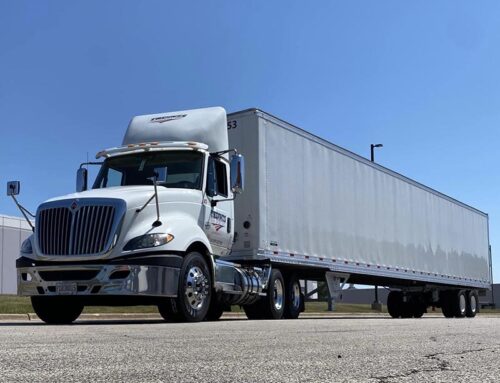
A national retail shipper was fighting rising truckload costs on one of its most critical lanes. This lane fed store replenishment, seasonal promotions, and weekly demand planning across multiple regions. When rates increased and carriers became unreliable, the entire supply chain felt the impact. Stockouts grew more frequent. Customer complaints increased. Distribution centers were forced into expensive, last minute coverage every time tenders were dropped.
This lane had become unpredictable and costly. The shipper needed a partner who could bring stability, visibility, and measurable savings.
Thompson Transport Group stepped in and rebuilt the lane from the ground up.
The Challenge
The retailer depended on this lane for high frequency, time sensitive shipments. But over the previous year, several patterns were hurting performance:
• Rising spot market costs
• Declining tender acceptance
• Carriers backing out at the last minute
• Missed pickup appointments and inconsistent communication
• Store shelves going empty due to delayed replenishment
Every failure created a chain reaction. Distribution centers scrambled. Transportation teams spent hours finding backup capacity. Store managers experienced stockouts that directly affected revenue.
The shipper needed predictable pricing, committed capacity, and a partner who could eliminate last minute surprises.
The Solution
Thompson Transport Group analyzed the lane’s full history, including rate cycles, seasonal trends, carrier performance, detention patterns, and operational timing issues. With real data in hand, TTG created a structured FTL solution tailored for reliability and cost control.
The new program included:
• A curated mix of contract based carriers committed to the lane
• Clear pickup window restructuring to eliminate unnecessary dwell
• Driver expectations set in advance to avoid appointment misses
• Live GPS tracking on every load
• Proactive communication with DC teams and store receivers
• 24/7 operations support for nights, weekends, and exception management
The changes created a consistent lane rhythm where dispatch, receivers, and carriers operated on the same timeline.
The Results
The improvements were immediate, significant, and sustained.
• 38,272 dollars in annualized freight savings
• 12 percent improvement in on time delivery
• Complete elimination of dropped loads
• Faster, more reliable reporting and POD delivery
• Better communication between carriers and distribution teams
• Reduced stress for both transportation planners and store managers
The shipper regained control of the lane and eliminated the cost spikes that had previously damaged their budget.
Why It Matters
Small operational adjustments can create massive gains in both price and performance. This case study proves that truckload stability is not just about finding cheaper rates. It is about building a carrier mix, communication flow, and operational structure that ensures every load moves the right way, every time.
Thompson Transport Group brings the consistency, visibility, and long term lane strategy that retail shippers need to stay competitive.
Considering Your Own Truckload Network?
If your FTL lanes are experiencing tender rejections, rising costs, or inconsistent performance, Thompson Transport Group can help rebuild your network with dependable capacity and meaningful savings. Whether you manage a single high volume lane or a full national truckload program, TTG delivers stability and execution you can count on.